Bringing a horse home is exciting, but responsible ownership means being prepared for everyday care, handling and unexpected situations. The right equipment makes routines safer and more manageable.
A Reliable Halter and Lead Rope
A well-fitting headcollar and sturdy lead rope are basic handling essentials. Keep a spare available. Check both regularly for worn stitching, damaged clips or other signs that replacement is needed.
A Practical Grooming Kit
Grooming tools are used frequently. Start with a curry comb, stiff brush, soft brush, hoof pick and mane and tail comb. A sweat scraper can also be useful. Store everything together so grooming remains quick and organised.
Hoof-Care Equipment
A hoof pick should be part of your everyday kit. Picking out hooves removes stones, mud and debris while giving you an opportunity to notice changes such as cracks, heat or unusual odour. Hoof care should complement regular visits from a qualified farrier.
Stable and Feeding Supplies
If your horse is kept at home, stable equipment is essential. Feed and water buckets, a mucking-out fork, broom, wheelbarrow and storage containers make daily chores easier. Keep feed safely stored and ensure water containers are clean and undamaged.
A Basic Equine First-Aid Kit
Minor cuts and scrapes can happen, so keep a dedicated first-aid kit accessible. Useful supplies include sterile gauze, bandages, self-adhering wrap, saline, gloves, scissors and a thermometer. Learn how to use them beforehand and keep your veterinarian’s contact details available. For serious injuries, seek professional advice promptly.
Weather and Fly Protection
Not every horse needs a rug, so choose one according to its coat, condition, environment and weather. Fly masks and suitable fly protection may be useful in warmer conditions. Check protective gear frequently for rubbing, broken fastenings or areas that could catch.
Riding and Tack Essentials
If you plan to ride, basic tack may include a properly fitted saddle, saddle pad, bridle and girth. Fit matters more than appearance: poorly fitting tack can cause discomfort and physical problems. A qualified saddle fitter should assess the saddle.
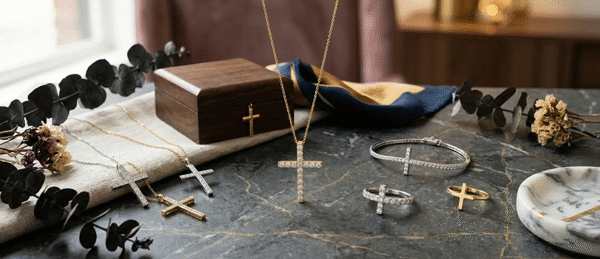
See also: How Cross Jewelry Became a Quiet Staple of Everyday Style
Protective Gear for the Rider
Your horse is not the only one who needs equipment. A properly fitted riding helmet is essential, while appropriate boots and gloves provide protection and grip. Consider high-visibility equipment if you regularly ride on roads or shared tracks.
Greg Grant Saddlery
For owners building an equipment collection, Greg Grant Saddlery offers a broad range covering grooming supplies, halters and leads, horse health products, stable equipment, rugs, hoof-care items and riding tack. Its selection can help owners identify useful equipment categories for different horses and routines. The key is to choose gear based on fit and function rather than buying everything at once.
Build Your Kit Gradually
New owners do not need every specialist item immediately. Start with equipment required for safe handling, grooming, feeding, hoof care and emergencies, then add tack or seasonal products as needed. Inspect equipment regularly, clean it properly and replace anything that becomes unsafe.
Good horse care depends on consistent routines, observation and professional support, not simply the number of products in your tack room. With a well-assembled kit suited to your horse’s needs, care can become safer, simpler and more enjoyable for both of you.