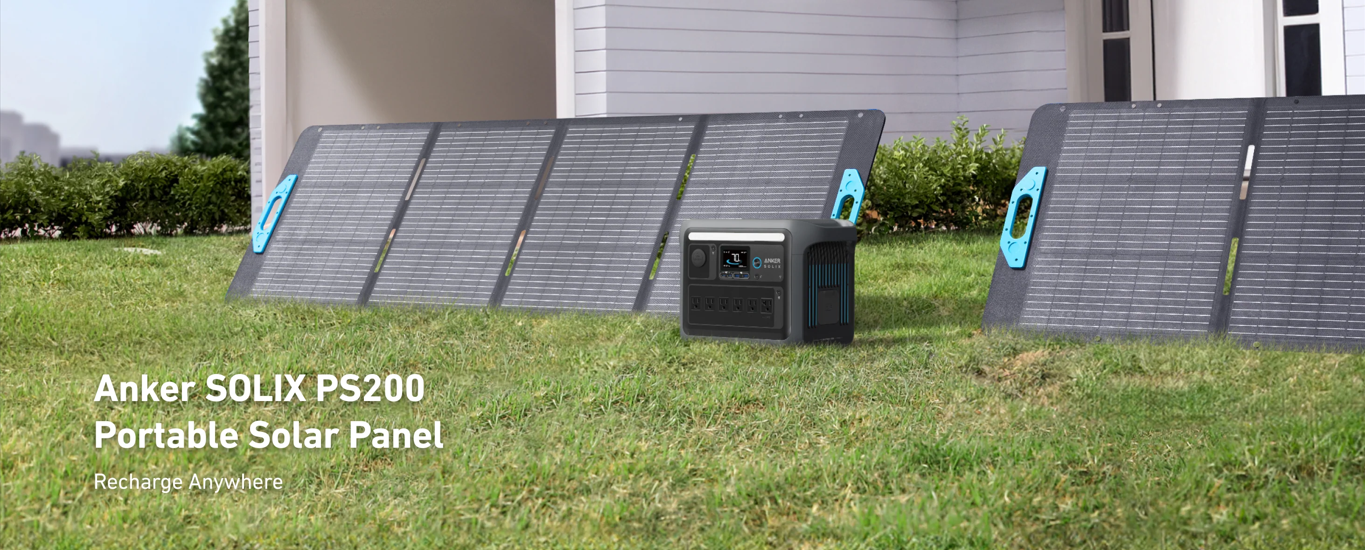
Campers often bring solar panels expecting a clear number of sun hours required for strong charging, but the answer changes based on light quality, placement, season, and gear efficiency. Understanding how much usable sun time you really need helps you plan your daily charging routine and avoid unnecessary guesswork during outdoor trips. A portable solution such as the Anker SOLIX PS200 Portable Solar Panel performs well in varied conditions because it offers a foldable design, high-efficiency monocrystalline cells, and four adjustable angles to capture sunlight at different times of the day. Once campers understand how sun exposure actually works, they use solar energy with greater accuracy and confidence.
Factors That Influence How Much Sun Time You Need
Peak Sun Hours Matter More Than General Daylight
Campers often assume that total daylight equals usable solar time, but only a portion of daylight qualifies as peak sun hours. Peak sun hours refer to periods when the sun’s intensity delivers strong, direct light. Midday usually provides the best charging conditions, especially when skies stay clear. A camp solar panel that receives four to five strong peak hours can often produce more power than ten hours of weak morning or late-afternoon light. Using the Anker SOLIX PS200 Portable Solar Panel during peak hours results in more efficient energy collection because its monocrystalline cells perform especially well under strong light. By focusing on the sun’s highest-intensity window, campers gain predictable charging even on shorter days or in varied climates where total sunlight doesn’t reflect actual charging potential.
Seasonal Changes Influence Required Sun Time
Different seasons reshape how much sun exposure a panel receives. Summer generally offers longer days and higher sun angles, reducing the number of hours needed to achieve strong output. Winter shifts the sun lower in the sky, which spreads its power across a wider angle and lowers its intensity. Campers who evaluate seasonal sun patterns understand how many hours they realistically need to charge essential devices. With the PS200’s adjustable 30°, 40°, 50°, and 80° angles, campers can match the sun’s seasonal position more accurately, gathering meaningful energy even when the sun sits lower. This angle flexibility allows the panel to turn brief strong moments into effective charging time. People who adjust their expectations seasonally achieve more stable results and avoid misjudging how long solar panels must run in cooler months.
Terrain and Shade Affect Real Charging Windows
Forests, mountains, cliffs, and tents all create shade that interrupts charging. These interruptions mean that even if a camper stays outdoors for eight hours, only a portion of that time provides usable solar exposure. Campers who understand this adapt by repositioning the panel throughout the day to follow stronger light patches. The PS200’s portable structure makes this process simple because its slim shape and manageable weight allow easy movement between sun pockets. Its included 3 m extension cables, which also allow the panel to sit in bright, open areas while keeping the power station protected under shade. When campers actively track light changes rather than relying on fixed placement, they increase the total effective sun time and gather more consistent energy.
How Campers Can Optimize Daily Sun Time for Better Results
Realistic Power Planning Helps Align Expectations
Knowing what you want to power determines how much sun time you need. Charging a phone requires much less sunlight than running a mini fridge or powering a lamp for long evening hours. Campers benefit from ranking devices by priority and planning charging windows accordingly. Using the Anker SOLIX PS200 Portable Solar Panel, which provides 200W solar input power, helps support several small devices or one essential appliance when sunlight stays strong. By deciding which devices require morning, midday, or late-day charging, campers prevent overloading their schedule and avoid unrealistic expectations. This mindset helps match energy needs with natural light availability in a clear, manageable way.
See also: Video Conferencing Technology Trends
Angle Adjustments Increase The Productivity of Each Hour
Many campers underestimate how much angle alignment affects solar output. Even during strong sun hours, a poorly angled panel may collect only a fraction of its potential. Adjusting angles throughout the day ensures maximum sunlight absorption across changing sky positions. The PS200 simplifies this process with its four tilt settings, allowing campers to respond quickly to shifting light without improvising supports or stacks of gear. A well-aligned panel gathers more energy in fewer hours, meaning campers don’t have to wait for long sessions of exposure. When each hour becomes more productive, overall sun time requirements decrease, creating a more efficient and predictable routine.
Mobility Turns Short Sun Windows Into Reliable Power
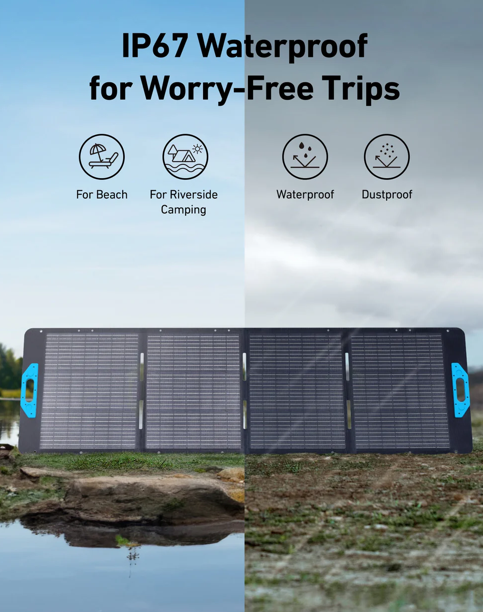
Outdoors, sunlight rarely stays consistent. Clouds pass, trees sway, and campsites shift in brightness throughout the day. Campers who treat their camping solar panels as a stationary object lose valuable charging potential. Mobility transforms a few minutes of good light into a meaningful boost of energy. The PS200’s foldable design and rugged build make relocation easy, whether you move it to the trail edge, an open clearing, or near reflective surfaces that help bounce additional light. Positioning the panel strategically allows campers to take advantage of brief high-intensity bursts, especially during partly cloudy days. This approach works particularly well when using one camping solar panel within a setup that requires flexible placement to maximize sun exposure.
Conclusion
Camp solar panels do not need endless hours of sunlight to deliver strong performance. They need concentrated exposure, thoughtful placement, and active adjustments that match real outdoor conditions. Peak sun hours matter more than total daylight, while seasonal angles, terrain, and shade patterns shape how much effective charging time you receive. A portable and adaptable model such as the Anker SOLIX PS200 Portable Solar Panel helps campers make the most of any environment, offering strong conversion efficiency, adjustable tilt angles, and reliable durability for shifting conditions. When campers understand how sun time truly works, they gain better control over off-grid charging and move through every trip with confidence in their power plan.